Showing posts with label Recipes. Show all posts

Fettuccine with Clam Sauce

This is one one my favourite pasta dishes. It is very quick to prepare and it can be on the table in less than half an hour.

Ingredients:

* 1 pound of fettuccine
* 10 oz can whole baby clams with juice
* 6 Roma tomatoes - pealed and diced
* pinch red chili flakes or to taste
* 3 cloves of minced garlic
* 4 table spoons of extra virgin olive oil
* salt and black pepper to taste
* ½ cup chopped fresh basil
* ½ cup chopped fresh Italian parsley

Directions:

1. Bring a large pot of water to a boil. Add one tablespoon of salt and cook the pasta 2 minutes less than the package instructions.
2. While water is coming to a boil and pasta is cooking, in a large skillet, heat 4 tablespoons of olive oil and saute the garlic.
4. Add a pinch of hot red pepper flakes.
5. When the garlic has softened, drain the liquid from the clams into the skillet.
6. Increase the heat to evaporate most of the liquid. Stir frequently for about 4 minutes until the liquid starts to froth.
7. Add the diced tomatoes and cook for another 5 minutes on high heat to reduce and intensify sauce. Add the clams and cook for another 2 minutes.
8. When the pasta is very al dente (about 2 minutes less than the package instructions), reserve one cup of the pasta water and drain.
9. Add the drained pasta to the skillet containing the clams and continue to cook, stirring frequently.
10. Add enough of the reserved pasta water to the pasta to obtain the desired consistency and continue tossing until the pasta is cooked.
4. Transfer the pasta to a serving platter and toss with the chopped basil and parsley.

Serves 4

Grilled Rib-Eye

GRILLED RIB-EYE WITH ANCHOVIES, MUSTARD AND GARLIC

3 prime rib-eyes steaks, cut 2 1/2 inches thick
10 ounces canned anchovies, drained and patted dry
6 tablespoons whole grain mustard
4 tablespoons fresh crushed garlic
4 tablespoons olive oil
Freshly ground pepper

Puree the anchovy, mustard, and garlic in food processor or blender, to form a paste then blend in the olive oil in a stream. Grind some pepper onto the steaks. Rub the steak thoroughly with the marinade and let the steaks marinate in the refrigerator for 2 days. Grill the steaks to desired temperature.

Red Pepper Jelly

Red Pepper Jelly
1 1/4 lbs. Hot red peppers
1 1/4 lbs. Red bell peppers
2 tsp. Chili powder
Pinch cayenne pepper
Grate rind and juice of 6 lemons
2 cups of cider vinegar
2 tsp. Salt
10 cups of white sugar
6 oz. liquid Pectin

Seed peppers and chop coarsely in food processor 1/3 at a time liquefy peppers with chili powder and cayenne pepper. Combine peppers with vinegar, lemon juice, rind & salt. Boil rapidly 10 minutes. Stir in sugar & boil 5 min more. Add pectin & boil 1 minute, skim if necessary. Pack in hot sterilized jars and seal.

Grilled Eggplant Moussaka

What makes the difference in this traditional Greek recipe is the grilled, not fried, vegetables, including eggplant, potatoes and zucchini. It's a lighter version of the famous Greek dish consumed in great quantities every summer.

Igredients:

3 large eggplant, sliced into 1/4
Mussaka
inch rounds
3 large potatoes, thinly sliced
3 large zucchini, cut lengthwise
into 1/4 inch slices
1/2 cup extra-virgin olive oil
5 tablespoons butter
7 tablespoons all-purpose flour
5 cups milk
1 pinch ground nutmeg salt to taste
1 egg yolk, beaten
1 tablespoon olive oil
1 1/2 pounds ground beef
1 onion, chopped
1 teaspoon oregano
salt and pepper to taste
1/2 cup chopped fresh parsley
5 ripe tomatoes, chopped
1 cup crumbled feta cheese

Directions:

1. Preheat an outdoor grill for medium-high heat and lightly oil grate.
2. Brush eggplant, potatoes, and zucchini lightly with extra-virgin olive oil. Grill vegetables until just tender and golden brown. Layer potatoes into the bottom of a 9x13 inch glass baking dish. Next layer in the eggplant, followed by the zucchini; set aside.
3. Preheat oven to 375 degrees F (190 degrees C).
4. Melt butter in a large saucepan over medium heat. Whisk in the flour, and cook until the flour smells slightly toasted, about 5 minutes. Whisk in milk, nutmeg, and salt. Bring to a bare simmer over medium-high heat, then reduce heat to medium-low and simmer 10 minutes. Place the egg yolk into a bowl, and quickly whisk in 1/4 cup of the thickened milk, a tablespoon at a time. Quickly stir the egg yolk mixture into the thickened milk until smooth, then set aside.
5. Meanwhile, heat 1 tablespoon of olive oil in a large skillet over medium-high heat. Stir in the ground beef and onion, and cook until the beef is crumbly and no longer pink. Drain off any excess grease, then stir in the oregano, parsley, tomatoes, salt, and pepper. Turn heat to medium-low, cover, and simmer for 10 minutes, stirring occasionally.
6. To assemble, spread the meat mixture over the vegetables, and sprinkle with the feta cheese. Pour the white sauce overtop, and smooth with a spatula.
7. Bake moussaka in preheated oven until bubbly and golden brown, about 30 minutes.

Risotto The Easy Way

This recipe simplifies the process of making risotto. The classic risotto recipe has been modified to eliminate constant stirring.

Ingredients

(Serves 4)
1 cup of Aborio rice
1 small onion finely chpped
1 clove of garlic finely chopped
2 1/2 cups of chicken broth
2 tablespoons of extra virgin olive oil
2 tablespoons of butter
2 tablespoons of grated Parmeggiano Reggiano cheese
Salt and pepper to taste

Method

1. In a sauce pan, heat the olive oil
2. Add the onion and the garlic. Do not brown, just soften.
3. Add the rice and stir for 1 minute to coat the rice with the oil..
4. Add the chicken stock and bring to a boil.
5. Cover and lower the heat to the lowest setting. Simmer for 20 minutes.
6. Add salt and pepper to taste.
7. Stir in the butter and the cheese.
8. Serve with a nice salad and a glass of your favourite wine. Enjoy.

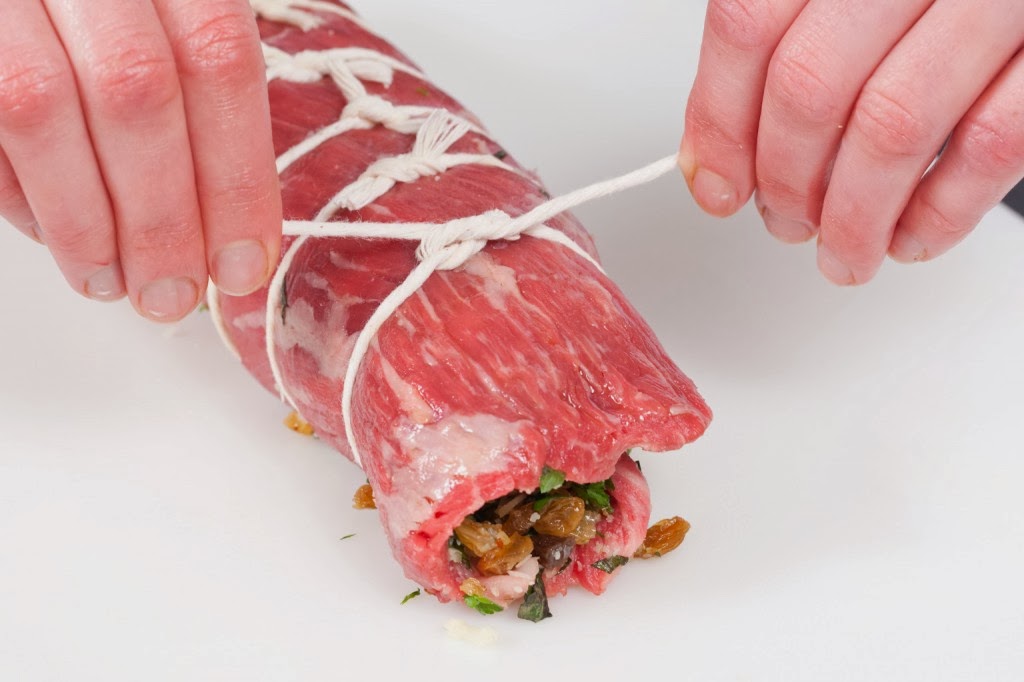
Braciole – Rolled Flank Steak

Incredients

3 cups tomato sauce
Braciole
1 1/4 cups flavored croutons
1/3 cup grated Parmesan
2 eggs
1 tablespoon chopped fresh parsley
1 tablespoon chopped fresh oregano
1 teaspoon finely chopped rosemary
1 teaspoon finely chopped thyme
1 clove garlic
1 pound flank steak, pounded to 1/4-inch thick
Olive oil, for brushing
Salt and pepper
Vegetable oil, for searing

Method

Preheat the oven to 350 degrees F. Place the tomato sauce in a 9 by 13-inch baking dish and place in the oven to heat.
In a the bowl of a food processor mix the croutons, cheese, eggs, herbs and garlic until it forms a paste.
Brush the pounded flank steak with the olive oil and season generously with the salt and pepper. Spread the filling evenly over the meat. Roll tightly and tie with butcher's twine.
In a large saute pan heat 1 to 2 tablespoons of vegetable oil and sear all sides of the rolled meat. Remove from the pan.
Add to the hot tomato sauce, cover with a tin foil tent so that the foil is not touching the meat. Braise for 35 minutes or, up to 3 hours.

Curing Olives

Method 1

Slash or stamp each olive with the side of knife or board to make an opening, and then soak in cold water in earthenware or glass containers for 10 days, changing the water daily. Soak in a brine solution for 24 hours, then wash off the brine and soak for 24 hours in vinegar. Drain. Store in jars in olive oil. This method will preserve olives indefinitely. (If sourer olives are preferred, add a little vinegar to the oil).

Method 2

Choose red to dark red olives; slash them on one side with a very sharp stainless knife to reduce bruising. Place the olives in any non-metallic container. Make a solution of 1/4 cup salt dissolved in 1 quart water, and pour enough over the olives to immerse them. Make sure the olives are completely submerged in the solution. Store in a cool place, changing the solution once a week, for three weeks. Any scum that forms on the surface is harmless; just rinse the container and the olives in fresh water if some forms.
Taste one of the largest at the end of three weeks. If only slightly bitter (should still be a bit tangy), pour off the brine and rinse the olives. If still quite bitter, brine for another week.
Marinade for Olives (use same container)

1 1/2 cups white vinegar
1 tbs salt dissolved in 2 cups water
1/2 tsp dried oregano
3 lemon wedges
2 cloves garlic

Pour marinade over the olives and float enough olive oil to form a layer 1/4 inch on top. The olives will be ready to eat after sitting in the marinade for a few days. Store in a cool place or in fridge. (Warning: if kept too long, the lemon and vinegar flavours will predominate, so eat within a month after ready.)

Water Method

Cover washed olives with a solution of salt water - 1 cup salt to each quart water - in a crock or glass jar. Place a weight, such as a small plate or washed rock, to keep olives submerged. Olives may remain in this brine for months. Marinate in Olive Marinade before serving.

Note: not slashing the olives can result in a strong flavour.


Strongly Salted Olives

Wash and dry the olives. Place in a container in layers, alternating with dry rock or sea salt, using about 300 grams of salt per kilo of olives. Cover and leave for six months. The salt will extract liquid from the olives, leaving them shrivelled. Before eating the olives, rinse in plain water, or soak for a few hours. These olives have a much stronger taste than the first ones.

Lime Method

For each pound of olives you will need:

1 pound wood ash
1 1/2 ounces quick lime (Lime is caustic. Wear rubber gloves at all times while handling it, and, whatever you do, don't get it in your eyes.)
8 teaspoons salt
3 cups water

Make a slurry by mixing the lime, the ashes and the water. Immerse the olives in it, covering them with a weighted top that will keep them immersed in the slurry, and let them soak for twelve to fourteen hours, in other words, until they have become quite soft. Touch them frequently to check their progress. Some people check to see if the pulp of the olive comes free from the pit, but this indicator is sometimes wrong.

Remove the olives from the slurry, rinse them repeatedly, and soak them in fresh water for four or five days, changing the water three times a day, until the water comes clear and the olives lose their bitter taste. Once the olives have reached this stage, set three cups of water to heat on the fire with the salt and several slices of bulb fennel. Boil the water for several minutes, let it cool, pour it over the olives, and store the olives in a glass gar or glazed urn.
Water curing

Generally you water cure the big green ones, right before they turn red. You pick the olives, crack each of them with a rolling pin, then immerse them completely in cold water, changing the water *each* day for at least 25 days. Stir them up when you think about it. Immerse and change the water, etc, taste one after 25 days. If they are too bitter, keep up this regime until they are edible.

Brine Curing

Deeply slit each one using a sharp paring knife, then plunk them into a brine (brine is 1/4 cup canning salt in 1 qt water). Weight down the olives; make sure they are fully immersed. Cover your vat of olives, stir once in awhile, and wait one week. Rinse, and change the olive brine once/week for at least 3 weeks. Taste, if still too bitter, keep changing brine 1/week. Mine usually take about 6 weeks. Scum will form on the top of the vat; it’s harmless *if* olives are immersed, but get rid of it when you see it.

Water-cured Green Olives

Ingredients
5 pounds green mature olives
1-1/2 quarts water
3 tablespoons salt
2 lemons, cut into 1/2-inch cubes
2 tablespoons dried oregano
2 cups white wine vinegar
6 cloves garlic, peeled and halved
2 tablespoons cumin seeds, crushed in a mortar
Olive Oil

Instructions

Crack the flesh of the olives with a rolling pin, or by hitting each one individually with a hammer. Rinse with cold water. Place them in a stoneware, earthenware, glass, or porcelain jar and cover with cold water. Weight them with a piece of wood or a plastic bag filled with water (to keep the olives submerged) and keep them in a dark, cool place for ten days, changing the water every day.
Boil the water and dissolve the salt in it. Empty the liquid from the jar in which the olives have been soaking; rinse the olives in cold water and cover the olives with the salt brine. Mix in the lemons, oregano, vinegar, garlic, and cumin. Float enough olive oil on top to cover the surface. Store in a cool place at least two weeks. To make a more interesting mixture, add a few store-bought Kalamata olives. Store in a cool, dark place. The olives keep quite well for at least two months.

Onoria’s Recipe

In a 5 gallon plastic pail, dissolve 6 ounces of lye in about ½ gallon of warm water. Add about ½ gallon of cold water and stir. Rinse 1 case (18 pounds) of olives in cold water and add to the pail containing the lye solution. Add enough cold water to completely cover the olives. Stir by transferring the olives back and forth several times in 2 plastic pails. To keep the olives submerged, weigh them down with a piece of wood or a plastic bag filled with water and let them sit for 10-12 hours. Drain and rinse the olives several times. Soak in cold water for 4 days. Change the water three (or more) times a day. At the end of 4 days, taste and soaks longer if still bitter. Fill one quart canning jars with the olives, add 1 teaspoon of pickling salt and fill with cold water. Seal and shake to dissolve the salt. Place the jars in boiling water and process for 5 to 6 minutes.

Home-made Soppressata Calabrese (Salami)

Soppressata
Soppressata is a variety of pressed salami available all over Italy. Soppressata Calabrese is made with coarsely ground fresh pork. The the ham and the tender loin cuts make the best salami. The pork is ground through a 25 mm die and mixed with salt and spices. It is packed into large intestines, tied with butcher string, placed under a wooden board and weighted down to obtain the traditional flat shape. It is then hung and cured for 3-4 months.

This recipe comes from Bruno (The Breadman in Sarnia) Lavoratore. Bruno was kind enough to share his recipe with us “Ciociari”, Domenic, Ernie, Onorio and Elio. We gathered in Domenic’s cantina kitchen (the Dungeon as Domenic calls it) to learn the fine art of salami making, grill pork chops and sausages over an open fire and to consume a few liters of homemade wine.

Ingredients
  • 10 kg of coarsely lean ground pork – use ham and filet.
  • 180 g of curing salt
  • 2 glasses of red wine
  • 100 g of black peppercorns
  • Large hog casing – cut into 50 cm lengths
Note: Other spices may be adder as desired.

Method

1. Place the meat on a plywood board (3’ x 4’) for mixing. Add the curing salt, peppercorns and wine.

2. Using both hands mix the ingredients thoroughly. Grab handfuls of meat and squeeze till the meat oozes out between your fingers. Continue working the meat until it becomes very sticky (approximately 20 minutes).

3. Slide the casing over the funnel of the sausage-stuffing machine. Tie one end of the casing with butcher string. Stuff the meat mixture into the casing. Tie into 8-10 inch lengths. Poke holes in the casing with a large needle to let the air out.

4. Using butcher string tie the salami tightly, approximately 25 mm apart.

5. Dip the ends of the salami in salt.
6. Place clean towels or rags on the bottom a wooden box (a grape case will do.

7. Layer the salami in the box on top of the towels. Continue layering until they are all tightly packed in the box.

8. Place a board to completely cover the top layer and add a 20 kg weight (20 liter plastic pail full of water).

9. Keep in a cool cellar for 2 days.

10. Remove from the crate and hang for 2 days. Ensure that they do not touch each other.

11. Repack the salami in the crate and double the weight. Make sure that the salami is placed back into the crate in the same direction to keep the flat shape. Let sit for 24 hours.

12. Hang in a cool, moist cellar for 3-4 months for curing.

Home-made Ricotta

Ricotta is easy to make and the taste so special that you will want to make it weekly to have on hand for eating and cooking. You will need to have a cooking thermometer to ensure success.

Yield: 4 cups (about 2 pounds)
Preparation Time:
5 minutes, plus 2 hours resting and 2 hours draining
Cooking Time: 20-30 minutes

Ingredients

• 1 gallon whole pasteurized milk
• 1/2 teaspoon salt
• 1/3 cup plus 1 tablespoon distilled white vinegar

Method

1. Use a large, heavy-gauge stainless-steel saucepot. Wash it thoroughly with very hot water, but do not bother to dry it. (Leaving it wet helps prevent the milk from scorching.) Place the milk in the saucepot over medium heat. Add the salt and stir briefly. Allow the milk to heat up slowly, stirring occasionally with a metal spatula. When you notice tiny bubbles and steam forming on the surface of the milk, stir more frequently; don't let it scorch. You want it to reach 190 degrees F, near scalding temperature, just before boiling. Check the temperature with your thermometer periodically.

2. When it reaches the correct temperature, turn the heat off, add the vinegar, and stir gently for 1 minute. You will notice curds forming immediately. Take the pot off the stove. Cover with a dry, clean dishtowel and allow the mixture to sit undisturbed for 2 hours. On cold days, you can prepare your ricotta in the morning before going to work and let it sit until you come home.

3. When the ricotta has rested for 2 or more hours, take a piece of cheesecloth, dampen it with water, and lay it out inside a colander. With a slotted spoon or sieve, ladle out the ricotta into the prepared colander. Place the colander with the ricotta inside a larger pan or bowl so it can drain freely. Let it drain for 2 hours or longer.

4. Store the cheese in a covered container in the refrigerator.

About

Search

Profile

My photo
Camlachie, Ontario, Canada
I created this blog to share my experience and knowledge with you. I have been collecting information for a long time, my collection has become so large that I decided to share it with you. I hope that you find this site informative enough to visit it again.